Category: Climb

  • 30 of the World’s Most Extreme Athletes

    30 of the World’s Most Extreme Athletes

    There is a major difference between an athlete and an extreme athlete.

    Athletes simply push their minds and bodies to great lengths for sport, for fun, or perhaps to maintain their health. Extreme athletes push their minds and bodies to the farthest possible limit of human ability while simultaneously risking their lives. Extreme athletes are who we look to when trying to understand and measure what is humanly possible. They serve as self-appointed test subjects, leaving most of the average population watching (and studying) in awe from afar.

    Extreme athletes continue to take on death-defying feats again and again, chasing the adrenaline rush like drug addicts. They are truly a different breed. To honor the most extreme of extreme athletes, we put together a list of 30, which spans across six major categories: sky, snow, race, water, climb, and wheels.

    SKY

    In the aftermath of WWII, groups of Army Airborne Soldiers began jumping out of planes for fun using military surplus gear. Since those days, skydiving as a sport has grown into full-fledged sport and evolved to incorporate many modifications such as base jumping and jet pack flying. Sky sports are only increasing in popularity with skydiving schools popping up all around the world. Some of the most famous pioneers of gut-wrenching sky sports are listed below.

    Jeb Corliss

    Skydiver / BASE Jumper
    jeb-corliss-skydiver

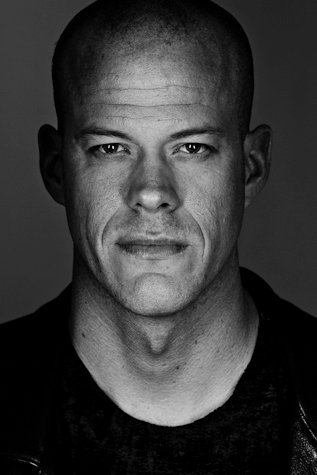
    Jeb Corliss is a professional skydiver and base jumper who has leaped into the public arena (quite literally) after BASE jumping from such sights as the Eiffel Tower, Seattle’s Space Needle, the Christ the Redeemer statue in Brazil, and the Petronas Twin Towers in Malaysia. He was born March 25, 1976 near Sante Fe, New Mexico and has survived several extreme and record breaking jumps. He is the first person to fly through a waterfall wearing a wingsuit and in 2013 he completed a jump called “flying dagger” in which he jumped out of a helicpoter wearing a wingsuit and flew through a narrow crack in Mount Jianglang in China. The passageway was a mere 15 feet wide, making the jump very risky. Corliss was quoted saying this jump was “…the single gnarliest thing I’ve ever done…” and “I have never experienced anything so hardcore. Period. I have not been that scared in my life. It was so powerful and overwhelming. I started crying.”

    Alexander Polli

    BASE Jumper
    alexander-polli-skydiver

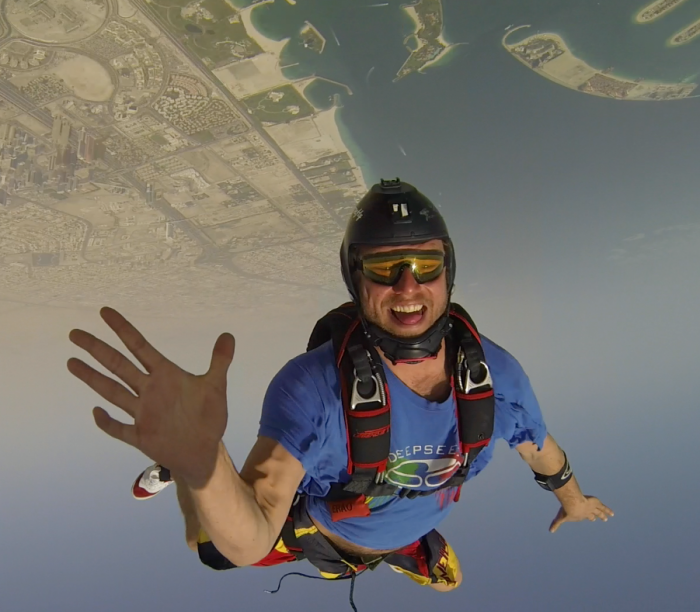
    Alexander Polli is an Italian/Norwegian BASE jumper born June 26, 1985. He is considered one of the most extreme BASE jumpers on the scene today due to his daring jumps which had previously been considered too technical or dangerous by other fliers. Alex travels the world in search of the best jumping locations. Polli is also a wingsuit jumper and has contributed to the WiBASE jumping. In November 2012, he became the first WiSBASE jumper to successfully strike a wingsuit target which was made of foam and around ten feet tall.

    Felix Baumgartner

    Skydiver / BASE Jumper
    Felix-Baumgartner- sky

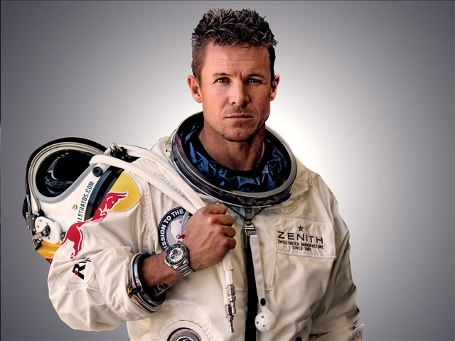
    Felix Baumgartner is an Austrian skydiver and all around daredevil born April 20, 1969. He is famous for setting the world record for skydiving an estimated 39 kilometers reaching a speed of 843.6 MPH. In 2012 he became the first person to break the sound barrier without vehicular power on his descent. His most recent project was called Red Bull Stratos, in which he jumped to Earth from a helium balloon in the stratosphere. The jump took place on October 14, 2012 and set the altitude record for a manned balloon flight, parachute jump from the highest altitude, and greatest free fall velocity.

    Yves Rossy

    Pilot/Jet Pack Inventor
    yves-rossy-jetpack

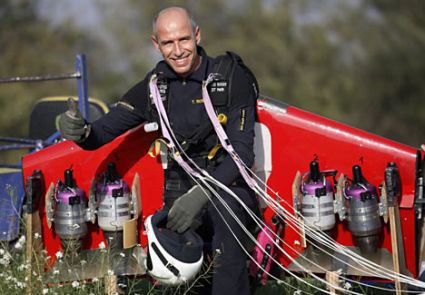
    Yves Rossy is a Swiss pilot and general avation enthusiast who is best know as the inventor of the individual jet pack. Rossy was born in 1959 in Neuchatel and served as a fighter pilot in the Swiss Air Force. He also flew Boeing 747s for Swissair and Swiss International Air Lines. He developed the wing-suit system comprised of a backpack equipped with a semi rigid aeroplane-type carbon-fiber wings that had a span of 7.9 feet. In 2008, Rossy used his jet pack to fly over the Alps and reached speeds of up to 189 MPH. He is the first known perso to fly a jet engine powered wing.

    Luke Aikins

    Skydiver
    luke-aikins-kaydiver-irving-2013

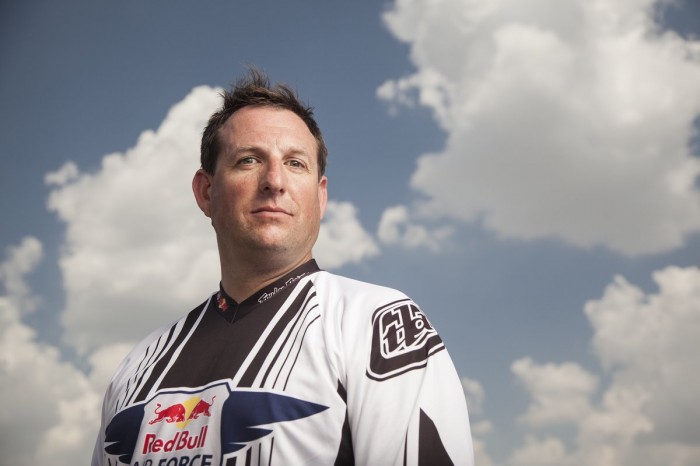
    Luke Aikins is an American professionall skydiver with two decades of experience and more than 16,000 under his belt. Luke comes from a family of skydiving legends and has contributed to the family legacy by setting three world records. After completing his first jump in 1989, he just could not get enough. Today he is a member of the Red Bull Air Force and travels the world with the team, performing exhibition jumps, VIP tandems and more. He is also the owner of Para Tactics, which provides advanced skydiving training to elite military forces such as the U.S. Navy Seals.

    SNOW

    While skiing has a long and well established history, extreme skiing and snowboarding are more recent developments in the world of extreme sports. Both skiing and snowboarding incorporate many subsets of riding styles such as alpine, freestyle, half-pipe, jibbing, and racing. The most extreme snow athletes generally are well versed in all of these styles but may favor one or two in particular when it comes time to compete. Snowboarding, more specifically, has exploded in popularity in the past 20 years with more and more amateurs attempting to follow in the extreme footsteps of these snow sport legends:

    Shaun White

    Snowboarder/skateboarder
    Shaun-White-snowboarder

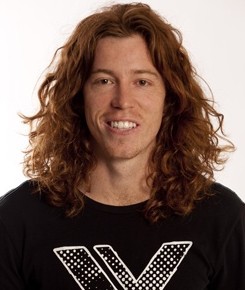
    Shaun White is a professional snowboarder and skateboarder and perhaps the most recognizable name in extreme sports. He has won two olympic gold medals and holds the X-Games records for gold medals and highest overall medal count. White was born in San Diego on September 3, 1986 and began skateboarding at a young age. He turned pro by age 17 with the help of Tony Hawk and went on to win many skateboarding titles including the Action Sports Tour Championship. He began snowboarding at age six and got his first sponsorship at age seven. Shaun primarily competes in half-pipe events and in 2012 he became the first person to score a perfect 100 in the men’s snowboard superpipe event at the winter X games.

    Xavier De Le Rue

    Big Mountain Snowboarder

    xavier-de-le-rue-snowboarder

    Xavier is a French big mountain snowboarder born July 1, 1979. He began his pro career competing on the boardercross pro tour and later competed for France at the 2006 Winter Olympics. He is a two time gold medalist at the FIS Snowboarding World Championships, also taking home silver in 2009. De Le Rue has been named “big mountain rider of the year” by Snowboarder Magazine.

    Jeremy Jones

    Big Mountain Snowboarder
    jeremy-jones-snowboader

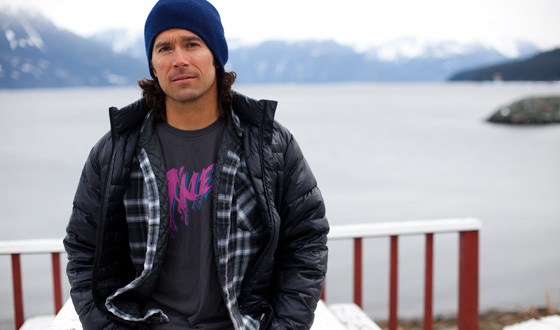
    Jeremy Jones is an American snowboarder born January 14, 1975 in Cape Cod, MA. He is best known for big mountain freeriding. Jeremy began skiing at the age of three and later switched to snowboarding at age nine. Jones went pro by age 18 and is considered a legend by his fans. Also known as one of the godfathers of freeriding, he has been riding at the highest level for three decades. In 2012 he was selected by National Geographic Magazine as a nominee for Adventurer of The Year. Jones is also a big environmental protection advocate and has opted to forego the use of helicopters and lifts in favor of hiking as his primary means of transportation up the slopes.

    JP Auclair

    Freestyle Skier
    jp-auclair-snowboarder

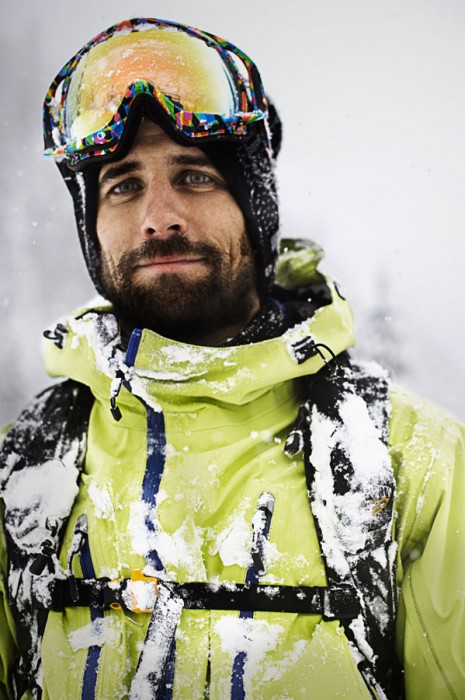
    Jean-Philippee Auclair was a Canadian freestyle skier born August 22, 1977. JP was a prize winning skier and filmmaker who found a way to combine his two passions. In 1998 he won 1st place at both the King of the Hill Half Pipe competition and the US Open. In 2002 he was nominated for skier of the year at the ESPN Action Sports and music Awards. He also obtained Level One certification in avalanche operations through the Canadian Avalanche Association in 2009. Auclair tragically passed away in an avalanche on september 29, 2014 while filming for his web series in Aysen, Chile.

    Shaun Palmer

    Snowboarder/Skier

    shaun-palmer-snowboard

    Shaun Palmer is a professional snowboarder, skiier, mountain biker, and motocross rider born on November 14, 2014 in California. He is known as one of the forefathers of extreme sports. He began skiing at a young age and became fascinated with snowboarding. Since snowboarding was not yet popular at the time, Palmer built his own snowboard when he was just 12 years old and taught himself how to ride. He has been given many titles such as USA Today’s Worlds Greatest Athlete, Details Magazine’s Athlete of the year in 1998, and the NEA Extreme Athlete of the year in 2000. He has won several gold medals in many competitions including: the Winter X Games, Swatch World Halfpipe Championship, US National Championship, and the Gravity Games. He also managed to play in a 1990s punk rock band called Fungus!

    RACE

    Endurance athletes are extreme at the most primitive human level. Essentially, they make full use of the human body and stretch it to its furthest possible limit. These extreme athletes set out on expeditions into the physical and mental frontier of the self physically and mentally – typically doing so in the raw habitat they find themselves in. This category incorporates skyrunners, marathon runners, triathletes, and mountaineers. Such extreme athletes have completed feats that exhibit the amazing potential of human physical ability.

    David Goggins

    Endurance Athlete
    david_goggins-runner

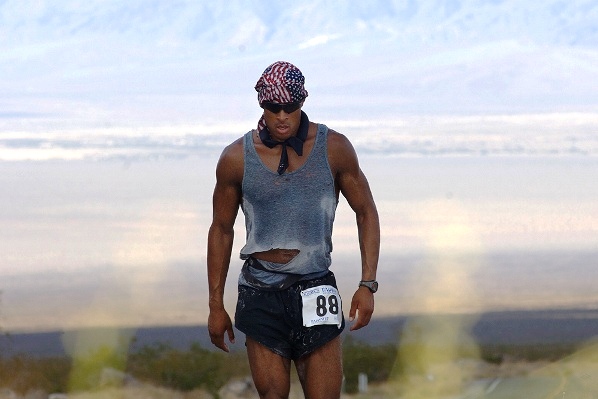
    David Goggins is a Navy SEAL who has served in Afghanistan. After losing several friends on battlefields overseas, he began long-distance running to raise money for armed forces charities. In 2005 he entered the San Diego One Day event which is a 24-hour ultramarathon. He ended up running 100 miles in under 19 hours despite never having run a marathon before. This event helped grant him entry into the Badwater-135 ultramarathon invitational in 2006 in which he finished 5th overall, an unheard of result from a ultramarathon novice at a world class event. Since then, he has competed in several notable events such as the Kona Ironman World Championship, Ultraman World Championship, and 24 Hour Pull-Up World Record of 4,025 pull-ups!

    Kilian Jornet Burgada

    Skyrunner
    kilian-jornet-runner

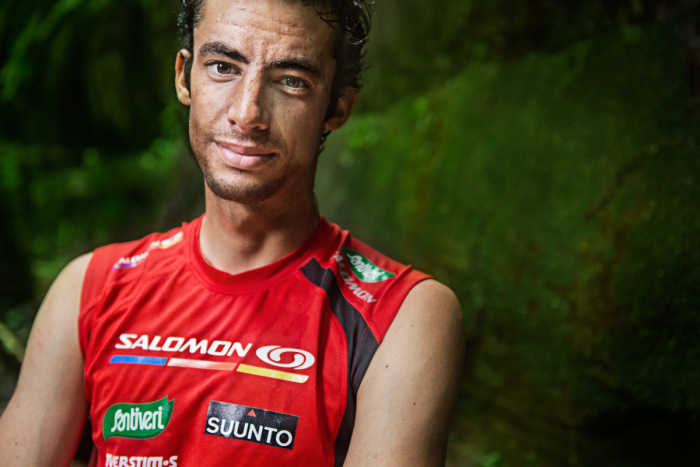
    Kilian Jornet Burgada is a spanish ski mountaineer, distance runner, mountain biker, and skyrunner. He is the three time champion of the Skyrunner World Series (2007-2009). He was born in Catalonia, Spain and began ski mountaineering in 1999. He began skyrunning competitively in 2005 and has placed first in several competitions. In 2014, Kilian broke the fastest known time for ascending and descending Alaska’s Mount McKinley in 11 hours and 40 minutes, breaking the previous record by 5 hours and 6 minutes. He also ran up and down the matterhorn in a record time of 2 hours and 52 minutes. His other notable achievements include the 2008 Champion of the Year at the Skyrunner World Series.

    Lizzy Hawker

    Endurance Athlete
    lizzy-hawker-runner-

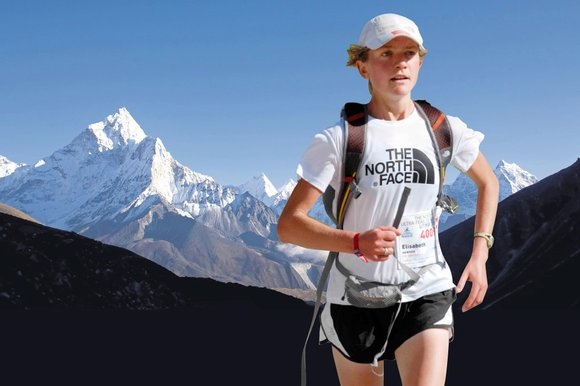
    Lizzy Hawker is a British ultra-distance endurance runner who has broken several world records. She has two gold medals from the 100k World Championships and holds the world record for running from Everest Base Camp to Kathmandu. She is the first woman to compete in many endurance races including: The North Face Ultratrail Tour Du Mont Blanc, Annapurna 100, Hong Kong 100, and Swiss Alpine Davos. In 2013, National Geographic named her Adventurer of the Year. She says she was inspired to become a long distance runner when she fell in love with the Matterhorn at age six, saying, “it was the birth of a passion and I knew that the mountains and nature were ‘home’.

    Chrissie Wellington

    Triathlete
    Chrissie wellington

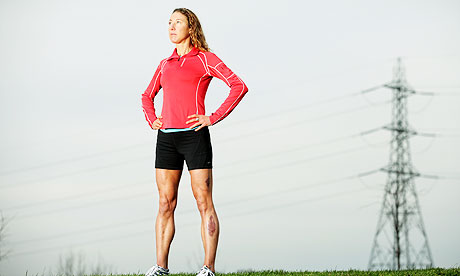
    Christine Wellington is a British professional triathlete and four-time Ironman Triathlon World Champion. She was born February 18, 1977 in Suffolk, England and attended the University of Birmingham. Upon graduating with her degree in geography in 1998, Wellington traveled the world and became aware of the “many problems that exist in the world, but also the opportunity for positive change.” In 2004 she entered her first triathlon race where she finished in third place. In 2006 she entered the Coast to Coast endurance race which involved a 243 km of cycling, running, and kayaking across the southern Alps of New Zealand. She finished second despite having no previous kayaking training. Later that year she also won the Shropshire Olympic Triathlon and in 2007 she officially decided to become a professional triathlete.

    Dean Karnazes

    Ultramarathon Runner
    dean-karnazes-runner

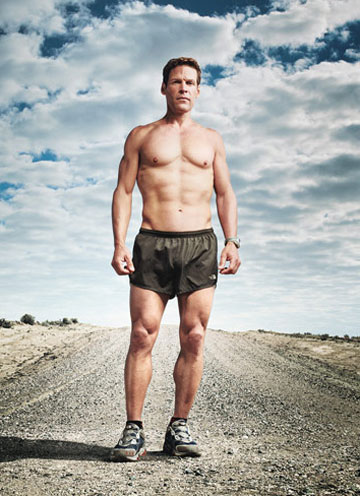
    Dean Karnazes is an American ultra marathon runner born August 23, 1962 in California. Karnazes first became interested in running when he was in kindergarten and by third grade he was organizing running events with other children. By age eleven he had hiked across the entire Grand Canyon and also climbed Mt. Whitney. From his professional ultramarathon career he is most known for completing several super-human runs. He ran fifty marathons in fifty states on fifty consecutive days, he ran 350 miles in three days without stopping or sleeping, and he has run the infamous badwater ultramarathon seven times which is a treturous 135 mile trek from Death Valley to mid-way up Mount McKinley. He runs 100 to 170 miles a week.
    He couldn’t find time to run 4–6 hours a day, so he began sleeping less. He currently only sleeps four hours a night. His resting heart rate is 39 beats per minute!

    WATER

    We all know that humans are mammals and do not thrive in water. The following extreme watersports athletes turn this basic fact on its head. From big wave surfing to long-distance swimming, these athletes push the limits of what a human can achieve while submerged in water.

    Laird Hamilton

    Big-Wave Surfer

    laird-hamilton-surfer

    Laird Hamilton is an American big-wave surfer born March 2, 1964 in California. He had become quite a talented surfer by age 17 but had no plans to enter in surfing competitions because he saw surfing as more of an artform than a competitive sport. He became well known for riding waves few other surfers dared. For example, he surfed huge waves during Hurricane Marie. Hamilton is regarded by surfing historians as the “all time best of the best” at big wave surfing, regularly surfing swells of 35 feet tall, and moving at speeds in excess of 30 miles an hour and successfully riding other waves of up to 70 feet high, at up to 50 mph.

    Diana Nyad

    Long-Distance Swimmer

    diana-nyad-swimmer

    Diana Nyad is an American long distance swimmer born August 22, 1949. She began generating national attention when she swam around the island of Manhattan in 1975 and then again in 1979 when she swam from the Bahamas to Florida (102 miles). In 2013 she became the first person to swim from Cuba to Florida (110 miles) without the protection of a shark cage.

    Herbert Nitsch

    Freediver
    nitsch-herbert-swimmer

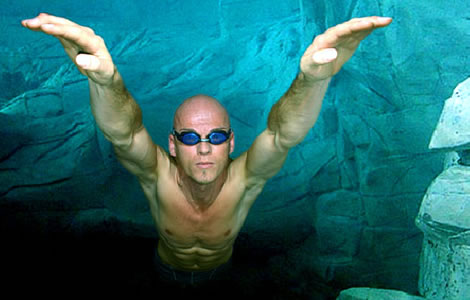
    Herbert Nitsch is an Austrian freediver born April 20, 1970. Herbert currently holds the world record for freediving. He is recognized as the “deepest man on earth” after freediving a depth of 702 feet in 2007 and then broke his own record in 2012 by freediving 831 feet. He has achieved over 30 world records related to diving.

    William (Bill) Stone

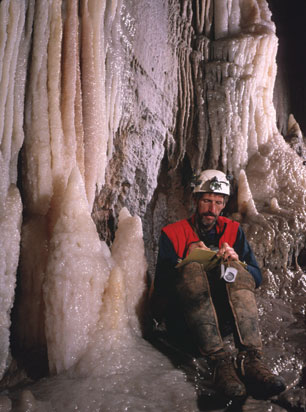
    Extreme Caver
    bill-stone-caver

    Bill Stone is an American caver and explorer born December 7, 1952. He is well known for his exploration of deep caves and has participated in over forty international expeditions. In 1976, Stone took part in an expedition to the Sistema Huautla in Oaxaca, Mexico, where his group set a new penetration depth record of 2,624 feet. He is president of Stone Aerospace and has been funded by NASA to explore the world’s deepest sinkholes.

    Keala Kennelly

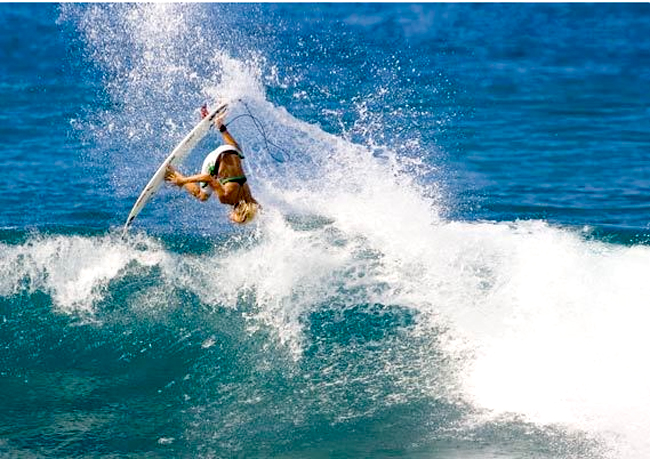
    Big-Wave Surfer
    keala-kennelly-surfer

    Keala Kennelly is an American professional surfer from Kauai, Hawaii born August 13, 1978. Kennelly went pro at age 17 and not long after went on to compete in the World Qualifying Series. 2003 was a breakout year for Kennelly as she peaked at number 1 in the WCT rankings before ending the year ranked as the 2nd best female surfer in the world. She finished in 2nd place at the Billabong Pro Maui and won the gold medal at the 2007 Summer X Games. Keala was named Female Surfer of the Year by ESPN in 2002 and she has been ranked in the top 10 on the ASP World Championship Tour for 10 consecutive years.

    CLIMB

    Rock climbing is a physically and mentally demanding sport, one that often tests a climber’s strength, endurance, agility and balance along with mental control. Extreme rock climbers are proven adrenaline junkies who regularly put their lives on the line in order to catch some of the most incredible thrills imaginable. Additionally, these guys often go down in history as the few who make it to the top of the world’s most famous mountaintops.

    Ueli Steck

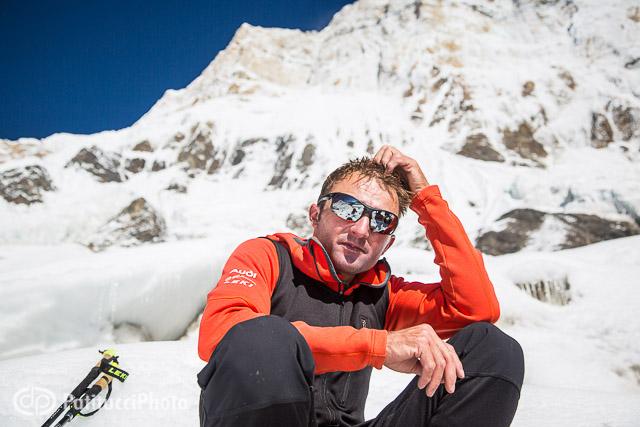
    Speed Alpinist
    Ueli-Steck-climber

    Ueli Steck is a Swiss rock climber made famous for his speed records on the North Face Trilogy in the Alps. He was born October 4, 1976 and achieved the 9th difficulty rating in climbing by age 17. After his solo-climb of the north wall of Cholatse and the eastern wall of Taboche, Climb Magazine named him one of the three best alpinists in Europe. Some of his greatest climbing achievements include a solo ascent of Annapurna, Solo ascent of the Matterhorn, the 2008 Eiger Award for his alpinistic performances, and the 2010 Karl Unterkircher Award for his climbing versatility.

    Alex Honnold

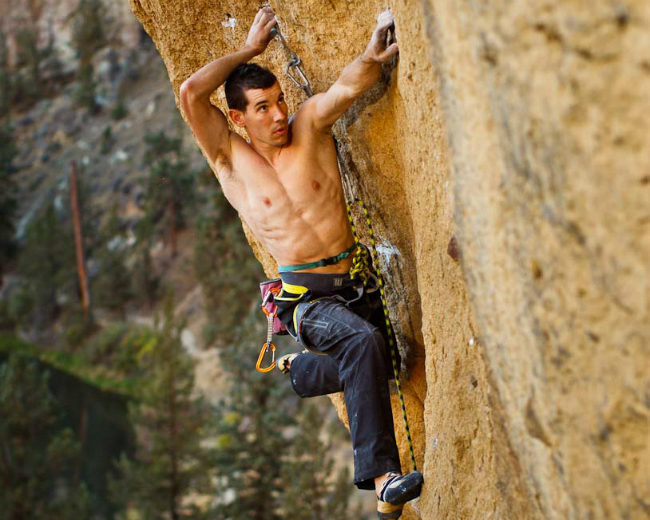
    Free Solo Rock Climber
    alex-honnold-climber

    Alex Honnold is an American rock climber best known for his free solo ascents of big walls. He started climbing at age 11 and later dropped out of the UC Berkeley to devote all his time to climbing. He has broken a number of speed records. Some of his most notable achievement include the only known solo climb of the Yosemite Triple crown, an 18 hour 50 minute link up of Mount Watkins, The nose, and the Regular Northwest Face of half Dome. Alex has mentioned that he enjoys completing tall, long routes as quickly as he can.

    Chris Sharma

    Rock Climber
    chris-sharma-climber

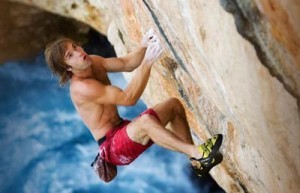
    Chris Sharma is an American rock climber who has been described as the best rock climber in the world. He began climbing at age 12 and by age 14 he was already winning national bouldering competitions. When he was 15 years old he completed the first ascent of Necessary Evil in the Virgin River Gorge – the highest rated climb in North America at the time. Chris is famous for completing nearly 20 daring “first ascents” of dangerous peaks all around the world including Jumbo Love, Papichulo, French Gangster, and Catxasa in Spain.

    Reinhold Messner

    Mountaineer
    reinhold-messner-mountaineer

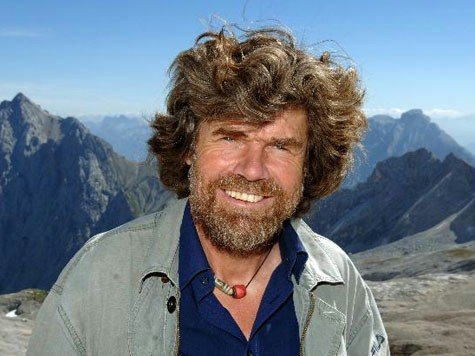
    Reinhold Messner is a legendary Italian mountain climber who has been called the greatest climber in history. He is renowned for making the first solo ascent of Mount Everest without supplemental oxygen and for being the first climber to ascend all fourteen peaks in the world that are over 8,000 meters high. He has a vast list of ascents on resume many of with are first and solo ascents. Between 1950 and 1964 he led over 500 ascents, primarily in the dolomites. Messner has also written over 65 books.

    Dean Potter

    Free Climber/Alpinist
    dean-potter-alpinist

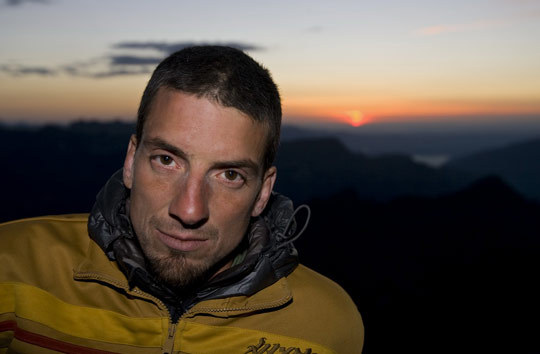
    Dean Potter is an American Freeclimber and Alpinist born January 18, 1972. He is well known for his difficult first ascents, free solo ascents and speed ascents primarily in Yosemite and Patagonia. Potter rowed crew and taught himself to climb when he was in high school. His fascination with climbing only grew as he dropped out of the University of New Hampshire to pursue climbing full time. He went on to famously climb many first and solo ascents including Supercanaleta in Patagonia, Heaven in Yosemite, and Deep Blue Sea in the Swiss Apls.

    WHEEL

    Wheel sports are one of the categories of extreme sport that has truly blown up over the past 30 years. Skateboarding, BMX, and motocross have become the face of “extreme sports” with the development of the X games and Tony Hawk video games. The mainstream popularity of wheel sports has inspired an entire generation of amature skatboarders and BMXers leaving their worried parents biting their nails on the sidelines of their local skatepark. Here are some of the most influential pioneers of extreme wheel sports.

    Travis Pastrana

    Motorsports Competitor and Stunt Performer
    travis-pastrana-bmx

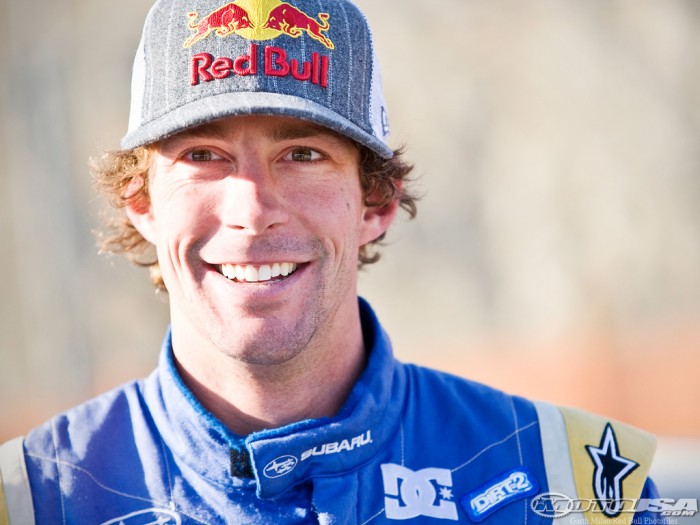
    Travis Pastrana is an American motorsports champion who has won several gold medals at the X games across multiple events including supercross, motocross, freestyle motocross, and racing. In 2004, Travis crashed while trying to perform a 360 on a 50 foot jump and sustained a concussion. Nevertheless, he was able to compete the next day and win the silver medal. At the age of 14 he also sustained very serious injuries following a motorcycle crash at an FMC Competition with required six blood transfusions. Doctors reported that only three people in the U.S. have ever lived following such injuries. After his recovery, Travis vowed to continue motorcycle jumping and. He has since won three motocross championships and due to his affinity toward his fans and passion toward the sport he is regarded as one of the most popular riders of all time.

    Danny MacAskill

    Trials Cyclist
    danny-macaskill-trials cyclist

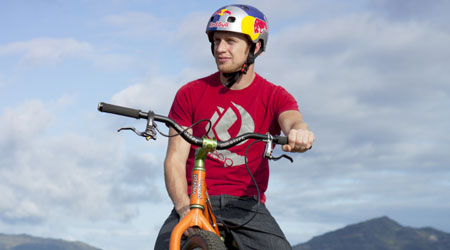
    Danny MacAskill is a Scottish cyclist who works professionally as a street trials pro rider for Inspired Bicycles Ltd. Danny was born December 23, 1985 and has been practicing street cycling for the past 12 years. He first started generating lots of buzz when his video showcasing his street cycling tricks went viral on the YouTube. The video is now at over 35 million views and highlights some of Danny’s sickest street moves including a backflip off a tree in a park. It is truly extreme.

    Mat Hoffman

    BMX Rider
    Mat_Hoffman-biker

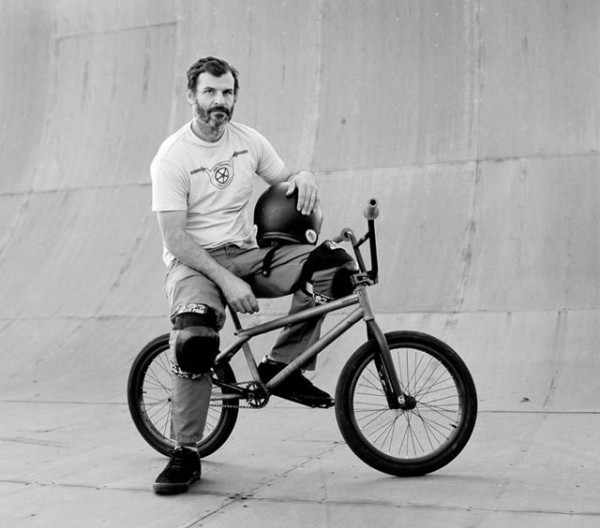
    Mat Hoffman is an American BMX rider born January 9, 1972. He is nicknamed “The Condor” and has been considered one of the best vert riders in the history of the sport. At age of 15 he became the youngest rider to join the freestyle BMX circuit. Four years later he attained the pro division and launched his bike company Hoffman Bikes. Hoffman was the first person to ride an over-sized (“Big”) ramp in 1993 with his first High Air attempt off of a 24-foot quarter pipe; on one of his runs, he tore his spleen and almost died. In 2005 Mat was elected president of the International BMX Freestyle Federation

    Dave Mirra

    BMX Rider

    sports

    Dave Mirra is an American BMX athlete born April 4, 1974. Mirra turned pro at age 17 and began competing around the same time. He held the record for most X-Games medals up until 2013. He has placed in every X-Games that has taken place since the games began in 1995 up until 2008. He is primarily known as a vert and park ramp rider and has won such titles as “Freestyler of the Year” by BMX Magazine and Rider of the Year by the ESPN Action Sports and Music Awards in 2000.

    Danny Way

    Skateboarder
    danny-way-skateboarder

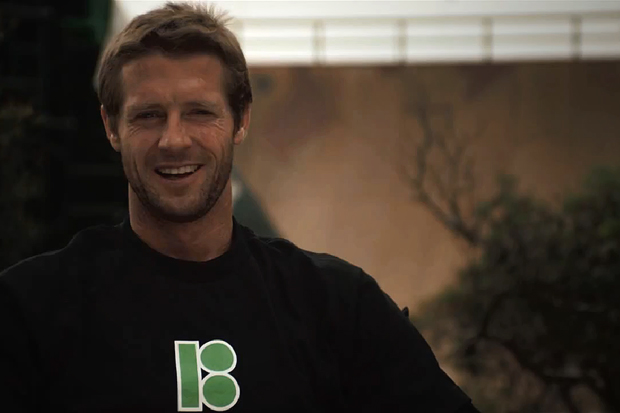
    Daniel Way is an American professional skateboarder born April 15, 1974. He began skateboarding competitively at age 11 and won his first competition in 1985. By 1991 he was named Thrasher Magazine’s “Skater of the Year.” He has won multiple gold medals at the X-Games in the “Big Air” category and holds the world record for land-speed on a skateboard. Danny is best known for extreme stunts such as jumping into a skateboard ramp from a helicopter and pioneering mega-ramps. He used one mega-ramp to jump the Great Wall of China on a skateboard (which he did with a broken foot!)

  • 8 Ways to Balance Your Climbing Training

    8 Ways to Balance Your Climbing Training

    Nothing beats quality time on routes to improve your climbing performance. But why limit your physical and mental training to hours spent on the crags or in the climbing gym? By balancing out dedicated climbing practice with a focus on overall strength, stamina and health, beginner and seasoned climbers alike can achieve better results on the wall. We’ve compiled a list of eight activities that complement your climbing with the insight of experts including Eli Strauss, head climbing instructor at New York City’s The Cliffs at Long Island City.

    8 Ways to Balance Your Climbing Training

    1. GET WET

    231000_-_Swimming_Daniel_Bell_reflections_action_-_3b_-_2000_Sydney_event_photo

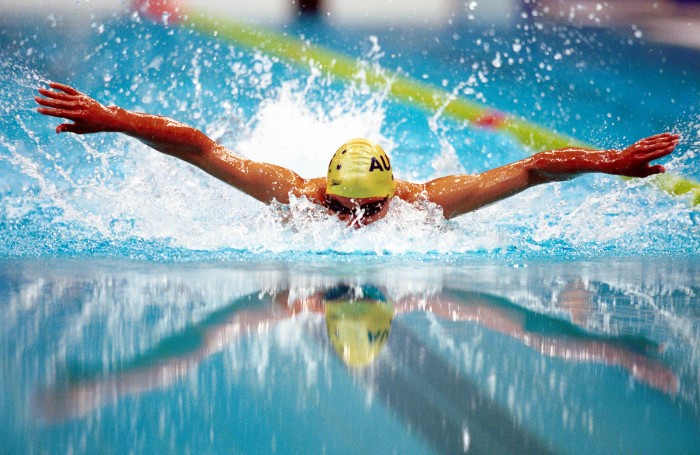
    Whether your goal is to nurse an injury back to health, increase your core strength or up your endurance, a few laps in the pool will benefit your climbing.

    The downward path the arms follow in swimming is similar to the reaching and pulling movements in climbing, “so those muscles get an even better workout,” Strauss says. And because swimming works “more or less every muscle group in a very low-impact environment, the injury risk is miniscule.”

    By strengthening your back and abs so your fingers don’t have to do all the work, swimming can also help prevent common over-use injuries in climbing like tendonitis.

    2. OM TO THE TOP

    9704371273_fd03d13b61_b

    Climbing is not unlike yoga in that it’s often necessary to embrace unnatural positions in order to reach new heights – think hanging upside down or balancing on tiptoes to reach that crucial pinch.

    But even between cruxes, a regular yoga practice is “one of the best things for rock climbers to do,” Strauss says. The most obvious benefit is increased flexibility. But flowing through gentle poses synced with controlled breathing also trains razor-sharp focus and works the antagonistic muscle groups. As a result, you’ll be stronger and less injury-prone in climbing.

    Keep up at least a weekly practice to see consistent results. Your mind and body will thank you for it once you’re back on the wall.

    3. WALK THE LINE

    3779533414_d09a5bfe27_o

    Slacklining is one of those activities that helps improve your climbing, but it’s hard to pinpoint exactly why. “The histories of the two sports have been linked more or less since rock climbing became a thing,” Strauss says.

    There are as many versions of the roots of slacklining as there are modalities, but most accounts lead back to Yosemite Valley in the 70s. The Stonemasters, a group of “counter-culture guys” who pioneered rock climbing as it is known today started slacklining for fun, according to Strauss. Much like walking a tightrope, slacklining is a low-impact way to fine-tune your balance and basically “everything you need for climbing, just in a different capacity,” Strauss says.

    If you’re trying it for the first time, fasten the line between two sturdy anchors like trees. First, practice keeping your balance on one foot. When you can stay steady for around 10 seconds, try taking a few steps. To up the thrill factor, rig the line over water (not too high!) and get creative with tricks like jumping, sit-walking or running.

    4. HIT THE PAVEMENT

    14464292260_24932cfd93_o

    It’s common for climbers to neglect cardio activities like running or cycling. But improved aerobic fitness will translate to better results on the crags, especially on longer routes.

    “Climbing is a very anaerobic sport,” Strauss says. “We don’t get winded in the same way, we don’t get our heartbeats up the same, we don’t get that endorphin rush. But having that level of conditioning and background is always advantageous because, more than anything, it allows you to recover faster and go longer.”

    The best cardio workout for you depends on the nature of your climbing sessions, but some experts suggest spending 70-80 percent effort for periods of 25-35 minutes.

    5. STRENGTHEN WITH CARE

    2736046832_f6903d82d4_o

    Round out your training plan with time focused on building climbing-specific strength through weightlifting and body-weight exercises like pull-ups, tricep dips and campus board.

    “Because climbing is such a specific action, our cross-training turns out to be really specific as well,” Strauss says. Campus boards – wooden boards with rungs you climb up using only your arms – are “an awesome way to increase grip and strengthen over almost anything else,” he adds. But it’s also easy to get hurt. For beginners, just practice hanging on and holding up your body weight to start.

    Budget a two- to three-month period in your training program for intense strength-training tailored to your climbing goals. Then, keep it up just enough to maintain the base you’ve built.

    6. GET VERTICAL

    3536629436_49f7cd2ced_o

    Although bouldering can seem like an easier, less intimidating way to start climbing than top-roping, Strauss recommends getting “used to your body vertical before you start trying difficult movements” that bouldering requires.

    There’s no doubt that bouldering is fun and beneficial for your climbing. But because it’s also harder, progress is slower. “It’s hard to stay invested in a sport you don’t feel like you’re making progress in,” Strauss says. Spend time top-roping on easy routes, and you’ll soon be able to last longer and reach your goals in bouldering. In turn, you’ll build the strength and skills you need to start tackling more challenging routes on a rope.

    To get started, choose an easy or familiar route and climb it three times as quickly as you can without taking breaks. Do a set of five, and then repeat the exercise on a few different routes. Got that down pat? Try it once more, but this time with your eyes closed!

    7. TAKE IT EASY

    rest-52495_640

    Serious climbers can be reluctant to take more than a day off the rock for fear of getting weaker. But in reality, rest is one of the most important aspects of any training program.

    “It’s a very fine line because a coaching cliché is you need to climb a minimum of three days a week to see constant improvement,” Strauss says. “But, especially as a beginner, you should not be climbing back-to-back days necessarily.” Rest doesn’t have to mean refraining from all types of physical activity, but from those that focus intensely on the same muscle groups as climbing.

    On days when you do climb, don’t skip your pre- and post-stretching to help your body rest and rebuild. How long to rest depends on your training regimen, but experts suggest taking 24-72 hours between climbs.

    8. FUEL UP

    3339042852_d2fe4e2856_o

    Because climbing is more of a lifestyle sport than one you get into for fitness, climbers tend to be less focused on overall conditioning and health than other types of athletes.

    “Obviously the pros are paying very close attention,” Strauss says. “When we as amateurs want to get better at a sport, in any other sport we’re paying attention to what we eat, we’re paying attention to our weight, to our caloric intake and stretching.” Climbing should be no different.

    The first step is being aware of what you’re eating and following general nutrition guidelines adapted to your needs. On climbing days, drink water before, during and after your ascent, and bring along a banana or other piece of fruit for a healthy source of fuel. When you’re done for the day, be sure to take in enough protein to ease your recovery.

  • 5 Must-Have Apps for Rock Climbers

    5 Must-Have Apps for Rock Climbers

    We may head to the crags to unplug, but there’s no doubt that a little technology can go a long way toward your success on the rocks. Maybe you need a guide, or a few creative knots in your back pocket (figuratively and literally), or maybe you’re after a spot to pitch your tent. No matter which you’re after, here are five apps no rock climber should leave home without:

    The Mountain Project

    Screen shot 2014-09-29 at 9.36.49 PM

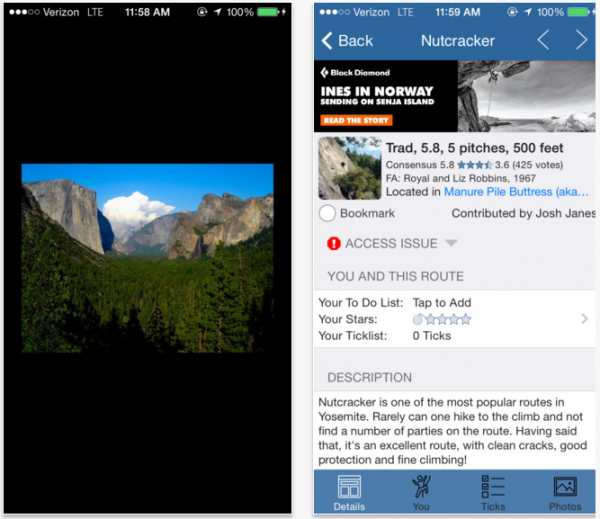
    The Mountain Project has long been acknowledged as a leading app for finding the best routes. The app is essentially a digital climbing guide that fits in your pocket. While the app definitely has a few bugs to work out, compared to the website, the developers have done an excellent job of creating a platform where climbers can share the routes and problems in areas around the country. Because of its widespread user base, major climbing areas are covered well and only continue to grow as more people use the application. It also divides climbing spots into type of climbing, along with grade, making it a step above many other digital climbing guides on the market. The Mountain Project is easily one of the widest spread, most used climbing networks.
    Price: Free

    KnotGuide

    Screen shot 2014-09-29 at 9.35.13 PM

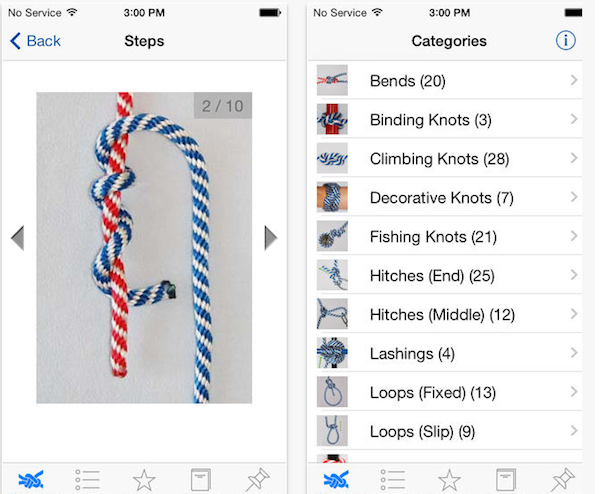
    Setting up anchors? Tying into a climb? Download KnotGuide. The beauty of setting up anchors is the creativity that goes into it. Depending on the equipment you have and trees and boulders you have to work with, there are countless ways for you to tie in. KnotGuide expands that creativity by increasing your knowledge of knots. Look up ones you’ve heard of or browse new knots. Either way, you can expand your climbing capability by increasing the flexibility of your anchor setting skills.
    Price: Free

    REI

    Screen shot 2014-09-29 at 9.33.26 PM

    In a pinch where you’re stuck on a climbing trip and suddenly realize you need more gear? REI has one of the most advanced outdoor adventure shopping apps out there. Not only can you find the closest REI to you, but you can do your research. Read up on the favorites of the nuts, ropes or shoes that you’re after, but not based on REI’s word. The reviews on the app are written by actual customers. Plus, REI’s return policy remains unbeatable.
    Price: Free

    Camp Finder

    Screen shot 2014-09-29 at 9.27.56 PM

    It’s not all about sending new ascents. When you’re on the rocks, eventually you’ll need a place to stay. Camp Finder helps those who love the outdoors find camping and RV spots across the country. It includes maps, photos and price ranges, so you always know exactly what you’re getting into. The app takes a bit of time to load though, so allow for ample internet connection or extra loading time.
    Price: $3.99

    Yonder

    Screen shot 2014-09-29 at 9.30.40 PM

    Want to document your adventures on the mountains? Instagram tends to be crowded with inspirational quotes and food porn. Instaead, upload your pictures to Yonder, a photo sharing channel made specifically for the outdoor-minded. Here, you can post your adventure shots to those who actually appreciate and love the great outdoors.
    Price: Free

  • 5 Ways Rock Climbers Make The World A Better Place

    5 Ways Rock Climbers Make The World A Better Place

    Much of the focus in climbing media is centered around the great feats of talented athletes. We throw around speeds, grades and the phrase “free-climbing” to talk about triumphs in the community. What we don’t always hear as much about, however, are all of the other accomplishments rock climbers make. Being a climber means more than possessing killer strength and solid technique. For many, it also means a big heart and giving back to the community. Here’s how rock climbers make the world a better place.

    Climbers love the environment.

    leave no trace

    Like many outdoor adventurers, rock climbers care a whole lot about the place they spend so much of their time. National parks, state parks and Mother Earth in general are of great interest to many in the climbing community. Outdoor clothing company Patagonia has long been applauded for their strides toward environmentalism.  Many climbing areas and camps stick to a strict “leave no trace” policy. Sure, every now and then a climber behaves badly, but before Mother Earth can punish them, there’s usually a swift reprimand from fellow climbers.

    They spread energy.

    alex and van

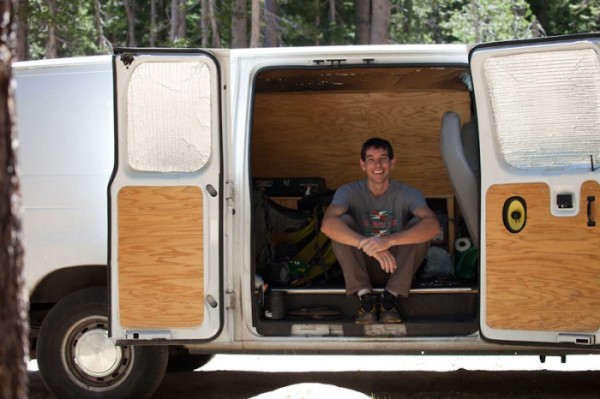
    In addition to valuing our world overall, many rock climbers have taken a special interest in renewable energy. Solar power company Goal Zero sponsors Alex Honnold, who owns and lives in a van completely powered by sunshine. His mom’s house also has solar panels, he says in an interview with NatGeo’s Adventure Blog.

    But beyond personal use, Honnold helps spread energy to those in need. The Honnold Foundation has helped support nonprofit solar projects. One included using solar power to bring residents in the Kayenta Region of the Navajo Nation clean water access.

    Climbers lead lives of health and well-being.

    sasha

    In a country where more than one third of adults are obese, approaching wellness consciously is important. And though, as a group, we may guzzle a bit too much beer and eat Ramen on the regular, overall, we care about our health (or at least live a healthier life than most without even realizing it).  Not only does climbing build solid, lean muscle, but it gets our hearts pumping from more than just adrenalin. An hour of climb time can burn more than 700 calories. All of those hours logged outside also result in a serious brain power boost, increasing memory, energy, creativity and relieving stress.

    They help at-risk youth.

    Screen shot 2014-09-04 at 6.50.03 PM

    Rock climbing has been proven to do wonders for self-efficacy, not to mention the sheer joy of overcoming fear and challenges. Organizations like Escalando Fronteras (Climbing Borders)  use this knowledge to help at-risk Mexican youth stay away from drugs, gangs and organized crime. By exposing children and teens to new opportunities that they may not otherwise experience, the organization strives to take advantage of the positive mentality that so often comes with climbing.

    Rock climbers inspire all of us.

    lynn hill

    Whether you climb or not, you can still be awed by the feats of some of the greats.  Lynn Hill paved the way for women climbers around the world, being the first woman to climb a 5.12d and the first to free-climb the Nose in 1993. In 1975, John Long had been the first to climb that same rock face in one day. Honnold climbed the three biggest rock faces in Yosemite in under 19 hours. Dave Graham and Daniel Woods eat V14s for breakfast. Climbers like these show us persistence, heart and a whole lot of badass. Climb on, guys!

  • How to Improve Your Climbing

    How to Improve Your Climbing

    Randi Alegre Climbing CoachAnyone can learn to rock climb and boulder. You don’t have to have crazy upper-body strength, guts of steel and wallet-breaking gear to join the ranks of climbers.
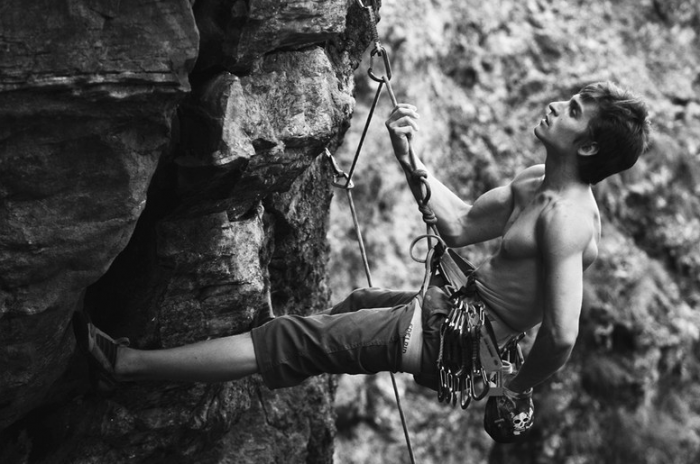
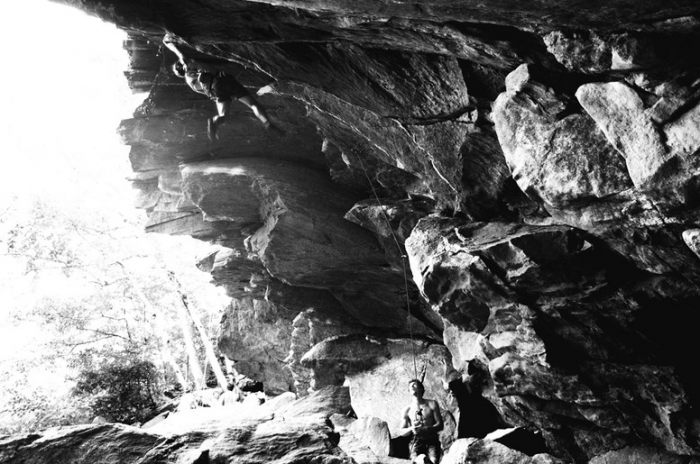
    But for beginners, the sport offers both addictive rewards, getting your adrenaline pumping and letting you enjoy some premium views with interesting people while you’re at it, and a new culture with unique physical and mental challenges. We consulted with climbing experts including Randi Alegre, instructor and youth coach at New York City’s The Cliffs at LIC, to bring you these seven tips for progressing as a climber and having fun in the process. 

    7 Tips to Improve Your Climbing (and to Have Fun Doing it)

    BE PATIENT

    It’s important to remember that in climbing, as in life, the joy is in the journey. It’s true that the goal of any bouldering problem or climbing route is always to get to the top, but don’t cheat yourself out of enjoying all those small hurdles you have to overcome on the way up. Stay in the moment, and not only will you have more fun, but you’ll set yourself up for success by keeping your focus on the move at hand. According to Alegre, if you think too far ahead, “You won’t be ready for the next sequence…and you’ll fail to execute a crucial maneuver.” Solve one puzzle piece at a time and savor each small success.

    At the same time, don’t get discouraged if progress in your climbing is slower than you’d like. Alegre explained that while it’s possible to make speedy gains in strength, your body can’t adapt to the unique demands of climbing at the same rate – “all those muscles you never knew you had and tendons and ligaments you’ve never conditioned.” With practice, you’ll get there. But be patient!

    GET TO KNOW YOUR OWN STYLE

    One of the great things about climbing is there’s no perfect way to do it. Some even call it an “art of self-expression.” It’s all about ascending as efficiently as possible and having fun doing it.

    No one will deny that learning from more experienced climbers is an excellent way to improve your technique and ensure you’re climbing safely, but it’s also true that what works for one person may not work for you, and vice versa. Alegre suggests taking the time to get to know yourself and discover your own rhythm and methodology for reaching the top.

    Climb in as many different settings and with as many different people as possible. For those confined to an urban jungle, see how many climbing gyms you can try out. If you’re lucky enough to have nature at your doorstep, aim to train on various types of crag. Even attempting the same climbing route or problem in a few different ways can help you learn what works for you and what doesn’t.

    improve your climbing

    USE YOUR WHOLE BODY

    It’s common for beginner and intermediate climbers to think their arms are the only tools than can pull them up the rock wall. However, letting go of this misconception and learning to trust and use your whole body – “everything from your toes to your nose along with an iron will,” as Alegre put it – is the first barrier every climber has to overcome in order to progress. Alegre introduces his students to the idea of walking up a climb rather than pulling yourself up it. Instead of initiating the upward movement with your arms, practice standing up before you flex your arms.

    When you’re climbing with ropes, learn to let your body rest at comfortable points on a route. When you get to a place with solid holds, rest with your arms stretched straight and knees bent. Then, let one arm go and shake it out. Practice these two moves on easy routes until they become ingrained. You’ll need them to prevent the dreaded pump when you tackle harder challenges down the road.

    TRAIN YOUR BRAIN

    Let’s face it – training your body is non-negotiable in order to improve your climbing. However, focusing on physical conditioning without training your mental game is like trying to climb with long fingernails and clunky shoes. You may find your way to the top, but you’ll likely encounter some unnecessary frustrations along the way.

    Before you even hit the wall, take a moment to mentally map out the route and visualize yourself reaching the top. Train your confidence and build a solid base by practicing on many different types of routes with all kinds of holds. At the same time, some experts say to stick mostly to routes at your level until you feel confident and can climb around 80 percent on-sight. It can be fun to try harder challenges every once in a while to see what the next level feels like, but remember, you’re building a base!

    rock climbing tips

    STAY SAFE

    Before you get vertical, no matter if it’s at the gym or in nature, dedicate yourself to becoming an expert on the proper safety procedures. After all, your life depends on it. Take a course at a gym with a qualified trainer. When you pass the final exam, practice intensely until everything you’ve learned becomes second nature.

    Also, make a point to train with more experienced climbers whenever possible to solidify your knowledge and pick up good habits. In fact, choosing your climbing companions is not something to take lightly. It’s important to climb with people you trust, who motivate you and who you enjoy spending time with to stay safe and have the most rewarding experience possible.

    GET OUTDOORS

    Indoor facilities are great for training, learning, and especially, coming into contact with the climbing community. But nothing will get you more excited and motivated to climb than getting out into nature.

    Whether you’re bouldering or rock climbing, once you’ve mastered the safety procedures and feel comfortable indoors, find a way to get on some natural rock. Don’t let a lack of gear – or company – stop you. Contact your local climbing gym or outdoor retailer to get in the know about local sites, equipment rental and any organized trips that may be on the horizon. Then, pack some water and healthy snacks and make a day of it.

    LEARN THE LANGUAGE

    From the first day you enter a climbing gym, you’ll get the sense you’ve stumbled upon a unique subculture complete with its own way of speaking, moving and interacting. The tribe-like vibe can be intimidating for newcomers, but wander deeper into this world and you’ll find a social, supportive community.

    The first step to feeling more comfortable is getting to know the jargon. Don’t be afraid to ask others if you don’t understand a term or expression – even expert climbers had to start somewhere. For more studious types, online climbing dictionaries on sites like Climbing.com can be useful. Learning the lingo will ease your interaction with fellow climbers on and off the wall. But more importantly, flawless communication is critical for safety, especially when climbing with ropes.

    Another tip for feeling both more authentic and more comfortable when you climb? Invest in a pair of climbing shoes. They don’t have to be on-brand or expensive, but they should fit your feet snugly without making you suffer.

    photos by Randi Alegre

  • Rock Climbing Out of Sight in Fontainebleau

    Rock Climbing Out of Sight in Fontainebleau

    One of the most popular climbing destinations on the planet with thousands of boulders strewn across hundreds of areas, Fontainebleau is a rock climbing playground. In this documentary, watch the world’s best rock climbers explore the hidden and beautiful boulders of this enchanted forest.

  • Why: Nikon D4 Release Video by Corey Rich

    Why: Nikon D4 Release Video by Corey Rich

    Nikon gave Corey Rich, an action sports photographer and videographer, a blank slate to shoot a documentary with their new camera, the Nikon D4. This is their release video, the product of a few months of secret work by Corey rich and his celebrated cast of athlete characters. Great work, Corey!

  • Sheffield Adventure Film Festival Trailer

    Sheffield Adventure Film Festival Trailer

    OK, so we’re a year late, but that doesn’t mean that the Sheffield Adventure Film Festival movie trailer isn’t worth a few minutes of your time as an adrenaline junkie.

  • 7 Indoor Rock Climbing Gym Workouts

    7 Indoor Rock Climbing Gym Workouts

    Not all of us are lucky enough to live the dirtbag lifestyle, climbing outdoor rock on a daily basis. For those of us tied down by, you know, bills, careers, families, school or other obligations, it’s important for us to keep up — or even increase — our strength and technique at our local gyms. That way, when we hit the outdoor routes on the weekends, we’re ready to climb, send and conquer. Here are 7 indoor rock climbing gym workouts to practice at the local walls and get you ready to hit the crags.

    1. Build endurance by traversing the gym.

    indoor rock climbing training

    One of the fastest ways to build strength, technique and endurance is to traverse around the entire gym or bouldering cave. Set a stopwatch and climb. Focus on moving smoothly the entire time and continuously keep on climbing. Because you want to emphasize proper technique, don’t climb until the point of total exhaustion. Instead, work until you start to notice your hands and feet getting sloppy. Call it quits and try it again in another couple days. Remember, it doesn’t really matter how challenging the moves are as long as you’re continuously moving. Make it your goal to increase your minutes on the wall every single time you practice this traverse exercise.

    2. Grow strength on a campus board.

    Legend has it that the famous sport climber Wolfgang Gullich invented campus boards when he installed the first at his gym, “the Campus Center” (hence the name) in the late 80s. Since then, climbers have used the boards to build finger, arm and core strength by ascending and descending them using only their hands. To get started on one at your own gym, hang, with your fingertips, from the lowest slab. Engage your core and lift your bodyweight up until you’re able to grab the next slab with one hand. Repeat, using alternating hands, until you work your way to the top. If that’s too challenging, try beginning from the top and working your way down, slot by slot, in a controlled descent. Then, when you’re stronger you can aim for an ascent. As you advance, you can begin to go for longer reaches by skipping a slot or two between each grab.

    3. Perfect your hand technique by practicing weight distribution through different holds.

    One of the most important parts of climbing is knowing which holds require which type of grip and using your knowledge (and fast reflexes) to adapt quickly to new routes and problems. The Self-Coached Climber by Dan M. Hague and Douglas Hunter suggests building strength and technique on several types of holds. Some of the more challenging, yet most important holds to practice include:

    • Slopers: These are generally large holds with smooth, yet fairly gradual angles. They often require using a flat, full hand and grabbing the hold as close to the wall as possible. It can also be helpful to position your weight under the sloper, keeping it as low as possible.
    • Pockets: Named after their shape, these are often easy to grab, creating little bowls for your fingers to reach inside. However, they almost always only allow enough room for less than four fingers. The more challenging ones only fit a finger or two though. To practice these, work on your finger strength, choosing your strongest fingers to support your weight, careful to build strength in an effort to avoid injuries.
    • Pinchers: A pinch, or pincher, requires you to use your fingers and thumb in opposition, creating a claw-like grip. Because fingers are often stronger than a single thumb, try to position your weight across from your fingers so that they are forced to bear most of the weight through opposition.
    • Crimpers: Crimpers are tiny, horizontal notches in the rock, with a small ledge just big enough to fit your fingertips. They’re usually cut at a 90-degree angle. Because it can be tough to hold your entire weight on only your fingertips, try practicing these by laying your thumb flat across your fingertips, pressing down to provide extra security and strength.

    4. Get into some fancy footwork by climbing without your hands.

    One of the most common mistakes beginner climbers make is trying to drag themselves up the wall with their arms, not realizing that focusing on footwork creates a more efficient use of energy. But you don’t have to be a beginner to work on improving the way your feet climb. One way to force yourself to really focus on your lower half is to climb with a tennis ball in each hand, rolling along the wall. This way, you can still lean and balance against the wall, putting weight in your hands, but your feet will have to do all of the fancy work. Focus especially on using your toes, the most flexible, and therefore versatile, part of your foot.

    5. Run.

    rock climbing workout running

    Even if you’ve never logged more than a couple miles in your life, running can help improve your climbing endurance. These days, most major gyms offer a treadmill or two, along with some free weights, so take full advantage of these amenities! If you’re a total beginner, start out by setting small goals for yourself or even doing a combination of running and walking. Hate pounding along on a treadmill? Ditch your gym for the great outdoors and feel the wind in your hair and the pavement (or even better, trails) under your feet.

    6. End your climbs with pushups.

    rock climbing pushup training

    All of that pulling yourself up the wall can be exhausting on your muscles, so, according to instructors at Earth Treks in Maryland, it’s important to end your climbing workout with the opposite motion. The perfect opposite to pulling? Pushing. Not only are pushups great for your arms and legs, but they’ll work your entire core, which is vital to becoming a stronger climber. It doesn’t matter if you can do five or 50. Challenge yourself, power through and end your climb session on a high note.

    7. Get your yoga on.

    rock climbing yoga workout

    Yoga helps climbers increase flexibility, build strength and work on their mental focus. That’s why more and more gyms are starting to offer classes to their members. Sign up for a class, enjoy yourself and try to practice at least a couple times each week. Namaste to that!

  • Dean Potter Talks Death

    Dean Potter Talks Death

    Mark Coleman, the Prana mindfulness ambassador, meets with Prana’s top athletes to understand their top game. In this session with Dean Potter, they both chat about death. Potter, one of the world’s most iconic adrenaline athletes, has a unique perspective on the topic.